
One striker limping out of the warm-up can undo a prediction you spent all week building. Injury reports football fans skim over are the fastest-moving piece of information on any matchday, and they reshape the odds before a ball is even kicked. Get the team news early and read it correctly, and you are working with the same edge the market makers use.
The tricky part is that team news arrives in stages. A whisper from a training session is not the same as a name crossed off the confirmed sheet. Knowing the difference, and knowing which absences actually matter, is what separates a sharp read from a guess.
One Missing Player Can Flip the Whole Read
Football is a low-scoring game, so single players carry outsized weight. Lose the one center-back who wins every aerial duel, and a clean sheet turns into a coin flip. Lose the playmaker who creates two thirds of the chances, and a favorite suddenly looks ordinary.
Markets know this, which is why they react hard and fast. Analysis of betting markets found that a star player injury can cause immediate odds fluctuations of up to 20 percent in major sports leagues, with roughly 15 percent of that shift landing in the first hours after the announcement. Football sits among the sports showing the most dramatic swings, precisely because one absence reverberates across the whole side.
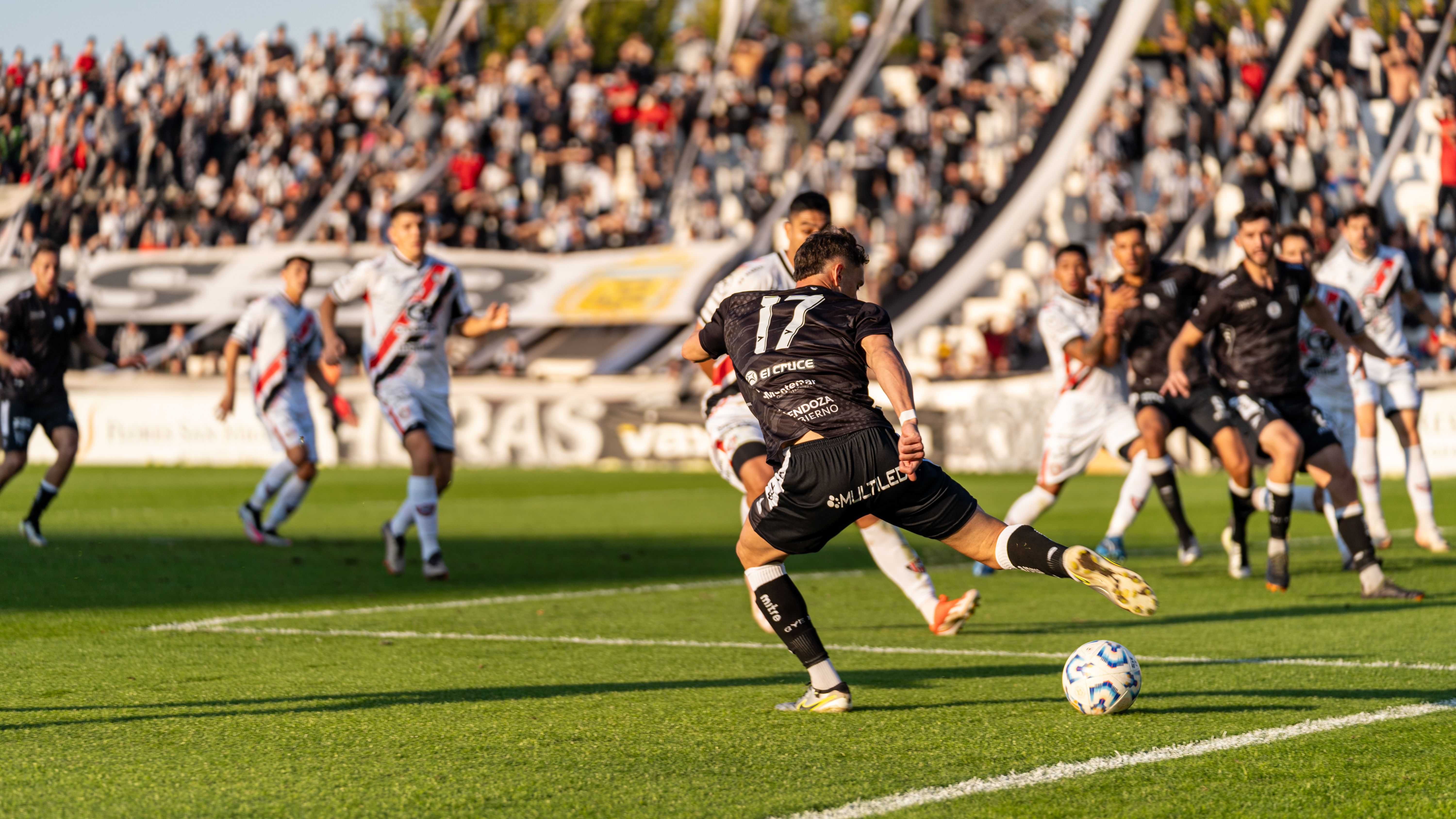
The lesson is simple. If you set your view before the team news lands, you are betting against people who already have it.
How to Track Injury Reports Football Clubs Release Before Kickoff
Team news does not appear all at once. It leaks out in layers, and each layer carries a different level of trust.
- Pre-match press conferences. Managers speak a day or two out and often flag doubts, returns and rotation plans. Treat this as the earliest signal, not gospel.
- Training-ground reports. Verified local journalists who cover a club daily are usually the first to know who is running and who is in the gym. Their track record matters more than their follower count.
- Warm-up watching. Who is out on the pitch stretching tells you plenty in the final 45 minutes.
- The confirmed lineup. Released around 60 minutes before kickoff, this is the only fully reliable source. Everything before it is probability.
Build the habit of reading these in order. A doubt raised on Thursday, still unresolved at Saturday's warm-up, then missing from the sheet, is a story you can trust because you watched it develop.
There is a data reason to weight match-day fitness so heavily. A long-running study of English professional football recorded match injury incidence at roughly twenty times the training rate, so players carrying a knock into a game are running a very different risk than they were in the week. A late fitness test that a club "passes" is not the same as a player who trained fully all week.
Key Positions Whose Absence Moves Markets Most
Not every injury is equal. A backup full-back missing barely registers. Some absences, though, tear the spine out of a team.
Central Defenders
A missing first-choice center-back is one of the strongest signals in the game. Defensive partnerships rely on communication and cover, and a reshuffled back line leaks chances it usually smothers. Watch the clean-sheet and both-teams-to-score markets closely here.
The Deep-Lying Playmaker
The player who dictates tempo is often irreplaceable in kind. When a side loses the midfielder who links defense to attack, the whole rhythm changes, chances dry up, and expected-goals numbers slide. There is rarely a like-for-like replacement sitting on the bench.
The Lone Striker
In a single-striker system, one injury can remove a team's entire route to goal. A backup forward with a fraction of the minutes changes the whole attacking picture, and the over/under and match-result markets move accordingly.
There is a health dimension worth respecting too. Across elite European football, hamstring problems have climbed to 24 percent of all injuries in the men's game, doubling over two decades. Soft-tissue injuries recur, so a striker "back from a hamstring" is a genuine question mark, not a guaranteed return to form.
Using Injury Updates Inside TipNGoal Insights
Knowing which absences matter is only half the job. The other half is getting that information in time and lining it up against the rest of the picture.
TipNGoal pulls team news and injury updates into the same view as form, head-to-head records and match insights, so you are not stitching together five browser tabs an hour before kickoff. When a key name drops off the sheet, you can see instantly how it lands against the numbers you already trust.
That context matters because injuries never sit in isolation. A missing striker means less if the opponent is also without their best defender. Reading team news beside a proper football form guide turns a single data point into an actual prediction. The AI-assisted, analyst-verified insights are there to frame the read, not to hand you a certainty.
Treat every update as a probability that shifts your view, not a switch that flips it. The market moves in the first hours after news breaks, so the value lives in reading it early and calmly rather than reacting late with everyone else.
Our Call and a Nudge to Real-Time Team News
The single most useful matchday habit is checking confirmed team news before you lock in any view, then asking one question: does this absence change the spine of the side? If a center-back, the main creator or the lone striker is out, respect how far the market will move and adjust rather than dig in.
Set up your team-news routine for the next round of fixtures now, follow the pressers, the training reports and the confirmed sheets in order, and keep TipNGoal open so live injury updates, form and insights sit in one place when kickoff pressure hits. Read the news early, weigh it honestly, and remember that predictions are insights to sharpen your judgment, not guarantees. Bet responsibly, and only ever with money you can afford to lose.